Why the «Oriflame case study» topic requires specifics
The Oriflame case study can't be assembled as a universal template. In the «marketing conference» topic, what matters is 1,100 leaders, a large stage, an original concept, the build-out, and the energy of the hall. If these things aren't named at the start, the project quickly becomes beautiful but poorly manageable.
The client usually needs not an abstract idea but a clear path: what the brand does, whom it invites, where the person encounters the message, and what result can be verified after the finish. That's why material on the «marketing conference» topic should answer practical questions, not just sound convincing.
Where the main risk shows up
The main risk in this topic is confusing effect with value. Effect is visible immediately, while value shows up in how the scenario, visual identity, content, merch, and final effect are put together. If one of these elements drops out, the project may look expensive yet fail to solve the task.
Besson Agency looks at such projects through the lens of accountability: who runs the process, how changes are recorded, where the team spots a problem and what materials the client receives once it's done. This grounds the creative and makes it verifiable.
What's worth discussing before the budget
Before the budget, you need to talk through the audience, geography, the brand's constraints, the mandatory elements, deadlines, and the success criterion. For the «Oriflame case study» topic, it's especially important to name separately what can't be pushed to the last day.
A good contractor isn't afraid of these questions. They explain which decisions cost money, where you can simplify without losing meaning, and why some elements are better locked in early, even if they seem minor.
How this helps the client
The practical value of the approach is that it shows how a business meeting becomes an event for sales leaders. The client sees not a set of services but a chain of decisions: why the format is needed, how it's experienced by the audience, and what can be used after the project.
Content like this works both for SEO and for a real reader: it contains natural key phrases, but they emerge from the topic itself. A person understands the context, and the search bot sees that the page answers a specific query.
Conclusion
The Oriflame case study works better when the idea, production, team, and reporting are brought into a single logic. Then the project doesn't depend on random inspiration on launch day.
For the brand this means less chaos, a clearer budget and a stronger result. This is exactly the kind of text a news hub should have: not an artificial string of words, but content that helps the client make a decision.
A leaders' conference demands the energy of the hall
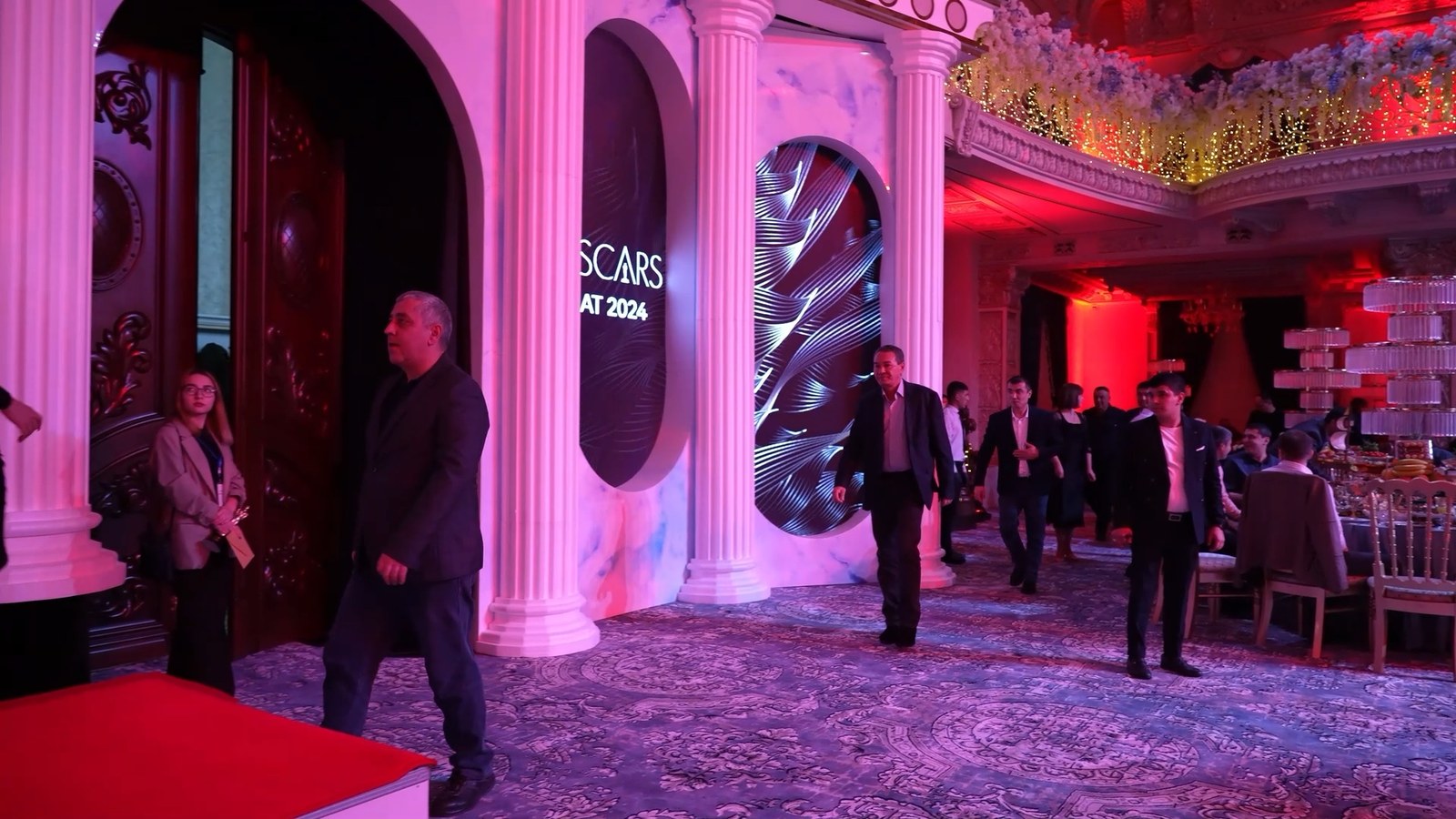
In the Oriflame case study, scale matters — 1,100 sales leaders, a large stage, an original concept, and a vivid visual environment. But the main point isn't the size of the screen; it's that people feel their own role in the brand.
For such an audience, the business part should sound inspiring but not hollow. Leaders need meaning, recognition, pace, and a sense that the company sees their contribution.
Why visual identity doesn't work on its own
Branding, the build-out, merch, and stage content are strong only in tandem with the scenario. If the visual environment doesn't support the speakers' messages, it remains a pretty decoration.
In a good marketing conference, every element serves the overall dramaturgy: the welcome, the hall, the screen, the talks, the awards, the closing emotions, and the materials participants take away after the event.
A practical guide for the brand
The «Oriflame case study: conference» material is useful for brands that want to judge an agency not by presentation confidence but by the quality of its questions. It's important to connect the task, the audience, the geography of Tashkent, the budget, production, and the reporting format in advance.
This approach reduces the risk of feeling formulaic. Instead of interchangeable wording, the page shows the connection between the task, the market, the audience and the specific role of Besson Agency as a team that works with event, BTL and POSM in Moscow, Almaty and Tashkent.
What to check before the brief
Before the start, it's worth asking the agency a few uncomfortable questions: who runs the project day to day, how changes are recorded, where the final timing is kept, what counts as a risk, and what report the client will receive.
How to spot a strong team
If these questions are settled in advance, the event project becomes transparent: the brand understands what it's paying for, what it gets on launch day, and which conclusions can be used after the project.