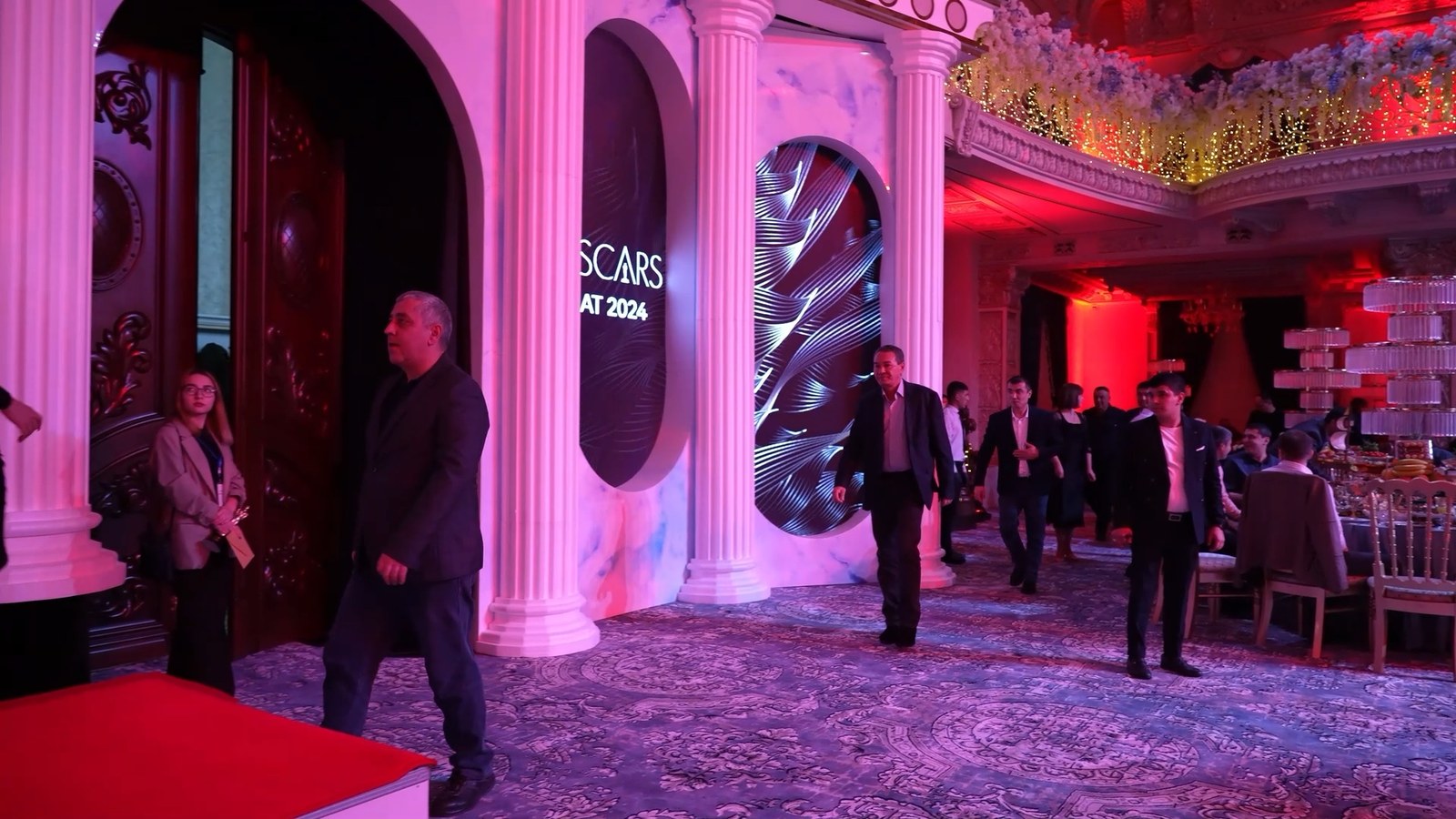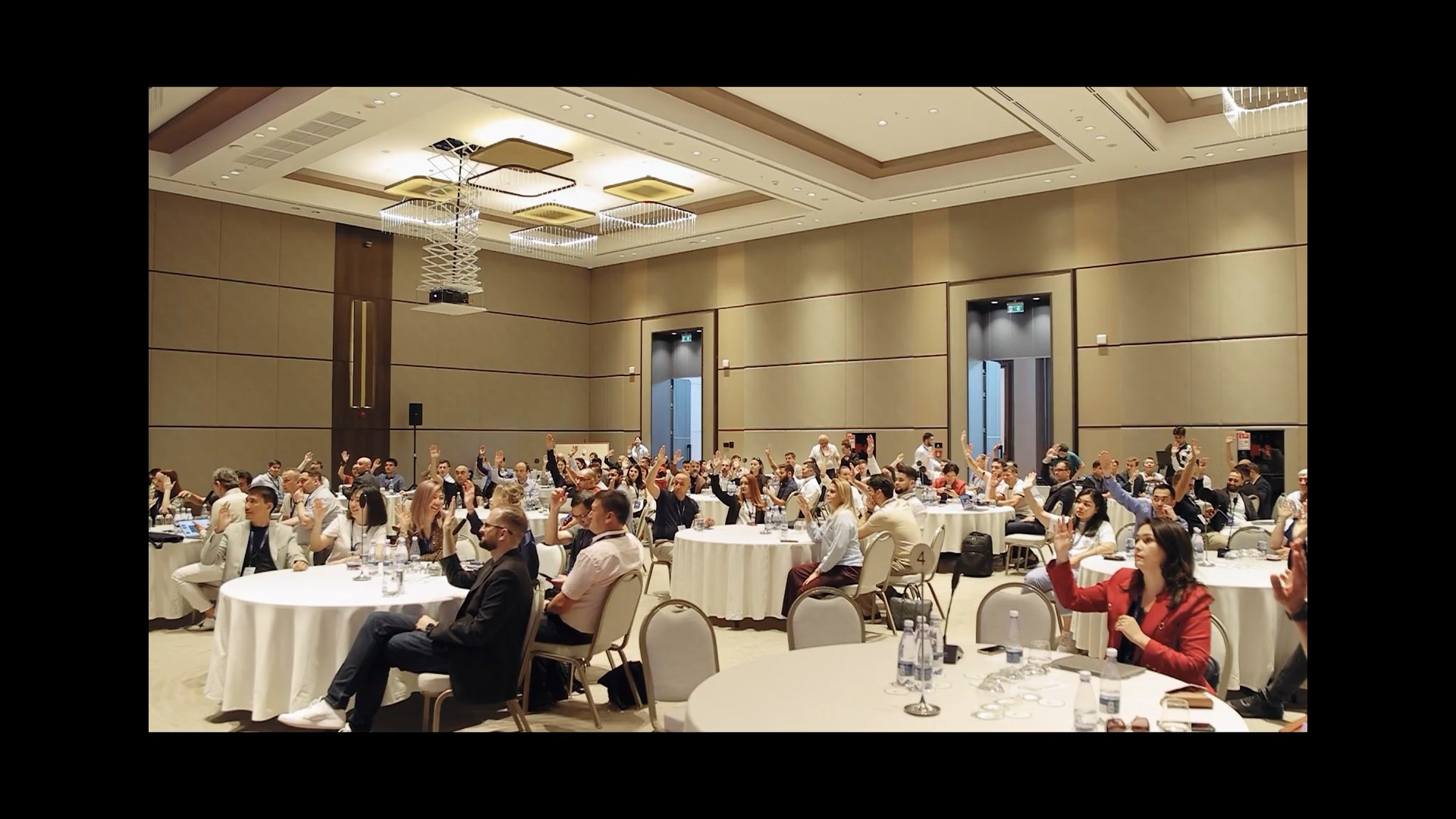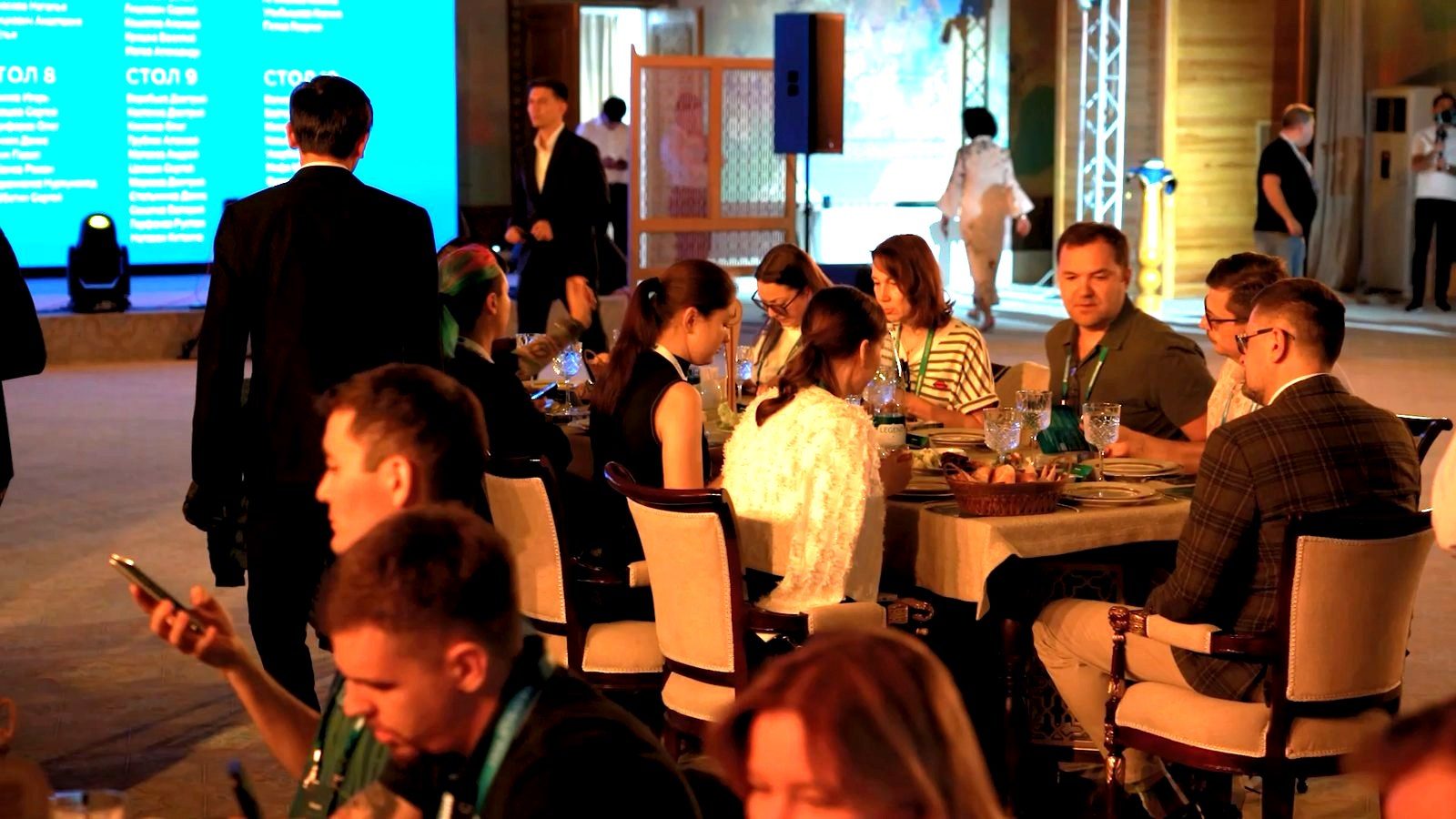
Why the topic «Panasonic presentation» requires specifics
The Panasonic presentation cannot be assembled as a universal template. In the «immersive presentation» topic, what matters is Samarkand, the distributors, the product scenario, the video content, and the space. If these things are not named at the start, the project quickly becomes beautiful but hard to manage.
The client usually needs not an abstract idea but a clear path: what the brand does, whom it invites, where the person encounters the message, and what result can be verified after the finale. That is why material on the «immersive presentation» topic must answer practical questions rather than merely sound convincing.
Where the main risk shows up
The main risk in this topic is to confuse effect with value. The effect is visible immediately, while the value shows up in how the light, video, route, demo, partners and post-event materials are put together. If one of these elements drops out, the project can look expensive yet fail to solve the task.
Besson Agency looks at such projects through the lens of accountability: who runs the process, how changes are recorded, where the team spots a problem and what materials the client receives once it's done. This grounds the creative and makes it verifiable.
What's worth discussing before the budget
Before the budget, you need to talk through the audience, the geography, the brand's constraints, the mandatory elements, the deadlines and the result criterion. For the «Panasonic presentation» topic, it is especially important to name separately what cannot be left to the last day.
A good contractor isn't afraid of these questions. They explain which decisions cost money, where you can simplify without losing meaning, and why some elements are better locked in early, even if they seem minor.
How this helps the client
The practical value of the approach is that it brings together technology, place and impression without museum-like heaviness. The client sees not a set of services but a linked chain of decisions: why the format is needed, how the audience experiences it, and what can be used after the project.
Content like this works both for SEO and for a real reader: it contains natural key phrases, but they emerge from the topic itself. A person understands the context, and the search bot sees that the page answers a specific query.
Conclusion
The Panasonic presentation works better when the idea, production, team and reporting are gathered into one logic. Then the project does not depend on random inspiration on launch day.
For the brand this means less chaos, a clearer budget and a stronger result. This is exactly the kind of text a news hub should have: not an artificial string of words, but content that helps the client make a decision.
Immersion starts with meaning
An immersive product presentation should not be a spectacle for the sake of spectacle. In the Panasonic case study, what matters is Samarkand, the Central Asian distributors, the product scenario, and the space that helps the technology look alive.
If immersion does not explain the product, it distracts. If it does — the person does not just watch a show but remembers how the product can work in their real world.
How to bring place and technology together
The historic setting of Samarkand sets a high visual bar but calls for care. You cannot argue with the place through too loud a presentation. You need to find a tone in which the product, video, light and route do not clash with the space.
This way the presentation becomes not a demonstration of specifications but an event for partners: they gain an emotional attachment to the product and ready-made material for the ongoing conversation with the market.
A practical guide for the brand
The «Panasonic case study: presentation» material is useful for brands that want to judge an agency not by its presentation confidence but by the quality of its questions. It is important to tie together in advance the task, the audience, the geography of the regional launch, the budget, the production and the reporting format.
This approach reduces the risk of feeling formulaic. Instead of interchangeable wording, the page shows the connection between the task, the market, the audience and the specific role of Besson Agency as a team that works with event, BTL and POSM in Moscow, Almaty and Tashkent.
What to check before the brief
Before the start, it's worth asking the agency a few uncomfortable questions: who runs the project day to day, how changes are recorded, where the final timing is kept, what counts as a risk, and what report the client will receive.
How to spot a strong team
If these questions are settled in advance, the event project becomes transparent: the brand understands what it's paying for, what it gets on launch day, and which conclusions can be used after the project.