A conference does not begin with the stage
A turnkey marketing conference often looks to the client like a stage, a screen, a host and a coffee break. In reality, a strong project begins earlier: with the question of why people should gather in one hall and what idea should stay with them after the business part.
If the answer is not formulated, the conference turns into a string of presentations. Guests sit, speakers speak, the photos come out decent, but the brand does not get the main thing: a shift in attitude, clarity, team energy or partner agreement.
How to build the business part without fatigue
A strong program rests on rhythm. A long talk can be saved by good structure, while a short block can be ruined by a lack of meaning. That is why preparation is about not only the speakers but also the transitions, questions from the audience, visual accents, pauses and a clear role for the moderator.
For international teams, there is also translation, protocol, cultural nuances and different speeds of processing information. All of this must be accounted for before the script is approved, otherwise the technical team will be treating a problem that was born in the content.
Production as protection of the content
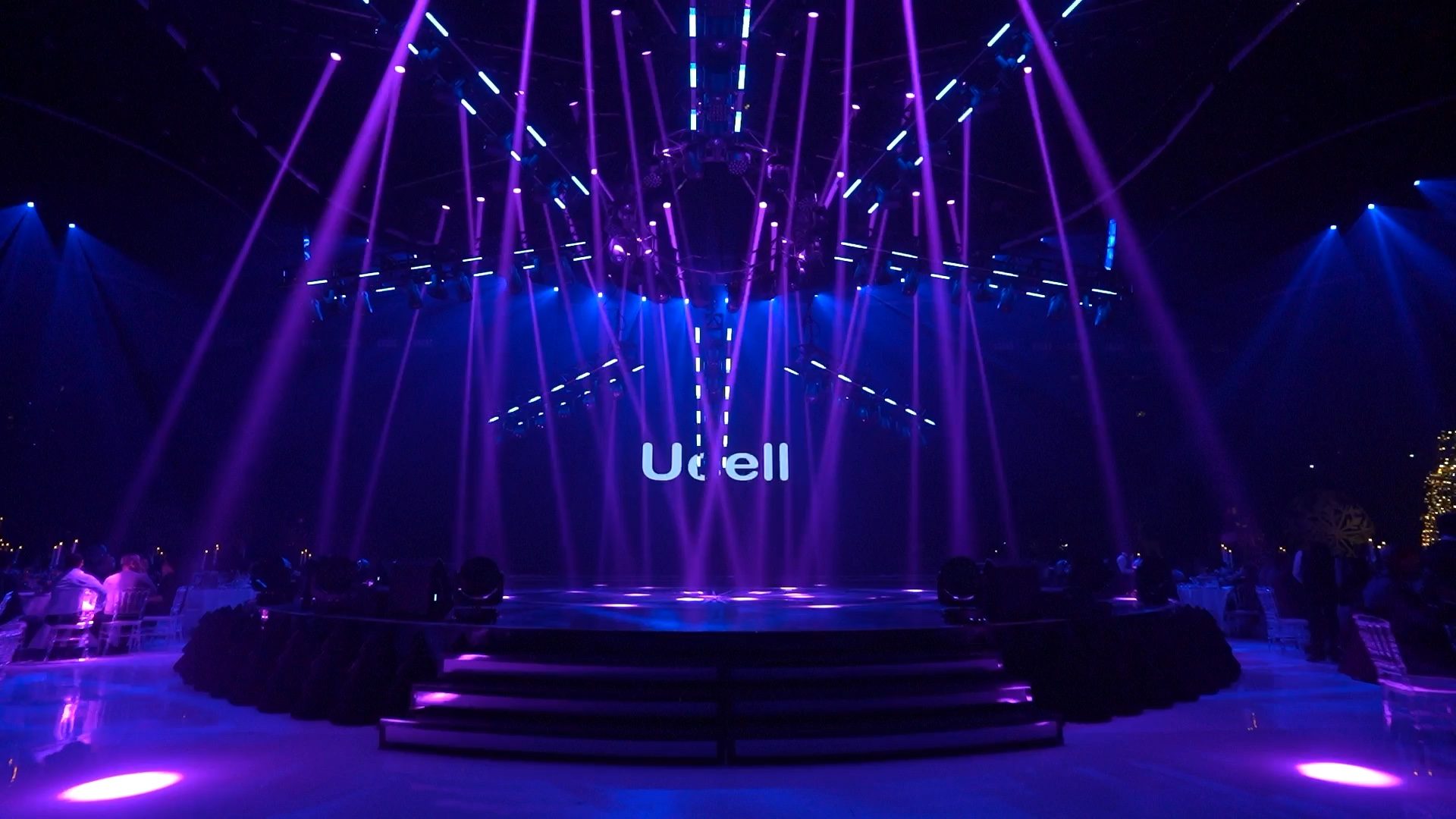
The stage, lighting, sound and on-screen content should support the meaning of the conference, not compete with it. If the brand talks about strategy, the visual environment should not live in the aesthetic of a random show. If a product launch is needed, the demonstration should be more convenient than flashy.
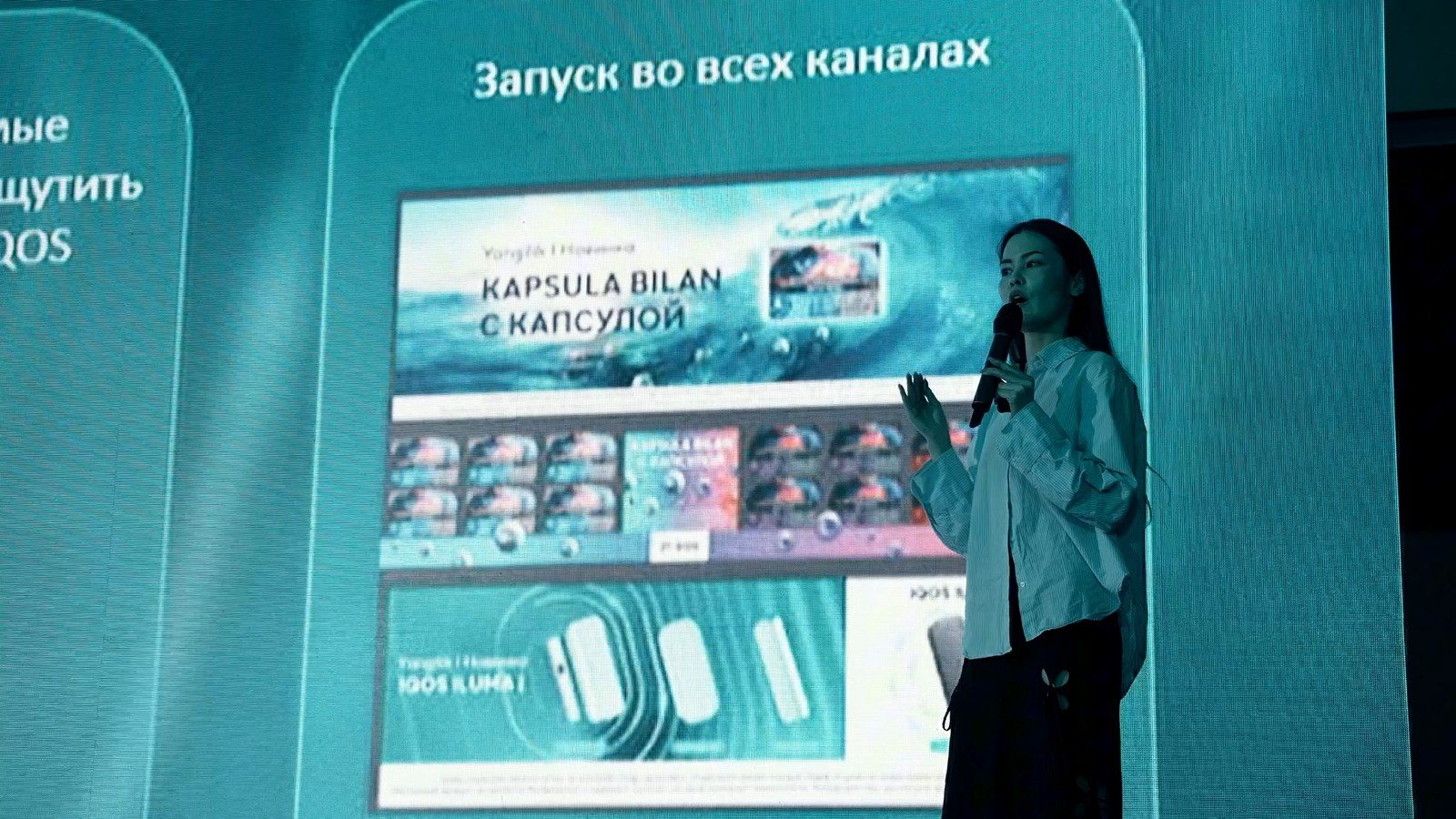
The production plan sets the roles: who manages the speakers, who is responsible for the presentations, where the final version of the videos is stored, when the clicker is tested, who signs off on the translation and how the team reacts if a block runs over the timing.
What the brand gets after the conference
After a good conference, the client is left with more than photographs and an edited highlight video. There are takeaways: which topics prompted questions, where the audience came alive, which materials can be sent to participants, and what needs strengthening before the next meeting.
For Besson Agency, a turnkey conference is managed business communication. It should look confident but not heavy; inspire but not turn into a set of slogans; give people a role rather than just a seat in the hall.
Conclusion
If you are planning a marketing conference, start not with a list of equipment but with the key message people should take away. After that, assemble the stage, content, registration, merch, navigation and reporting.
This is how a business event becomes a brand tool rather than a big calendar event that everyone got through and quickly forgot.
How not to lose meaning in a big hall
At a conference it is easy to hide behind the screen: make a loud intro, set up powerful lighting and hope that scale will replace clarity. But participants quickly sense when form outpaces content. They need pace, clear key points and the feeling that their time is respected.
That is why the scripting team must work with the speakers before they go on stage: cut repetitions, check transitions, prepare questions, think about how the hall will listen to the third block after lunch, not just the opening video.
A practical minimum for the client
In the conference brief, it is worth separately describing the speakers, the languages, the type of audience, the post-event materials and the acceptable level of showmanship. Sales call for one dramaturgy, partners for another, the internal team for a third.
If these differences are not spelled out, production will assemble a beautiful shell but will not solve the task. A good conference, on the contrary, makes the strategy audible and gives people a reason to discuss it after the final slide.
How to spot a strong team
On the topic of «Marketing Conference», specifics work best. The more precisely the market, team, venue, constraints and expected result are described, the easier it is for the brand to compare contractors and see the agency's real area of responsibility.
For the client this is a convenient test: if the contractor can explain how the solution will work in any business geography, who manages it and what data will remain after the finish, the project becomes clearer even before the budget.
Why specifics matter more than promises
Before the start, it's worth asking the agency a few uncomfortable questions: who runs the project day to day, how changes are recorded, where the final timing is kept, what counts as a risk, and what report the client will receive.
A practical guide for the brand
That is why «Marketing Conference» should not be read as an abstract news item. It is a reference point for a brand choosing a partner for the task, the market and the result, rather than simply looking for a pretty execution in a portfolio.