

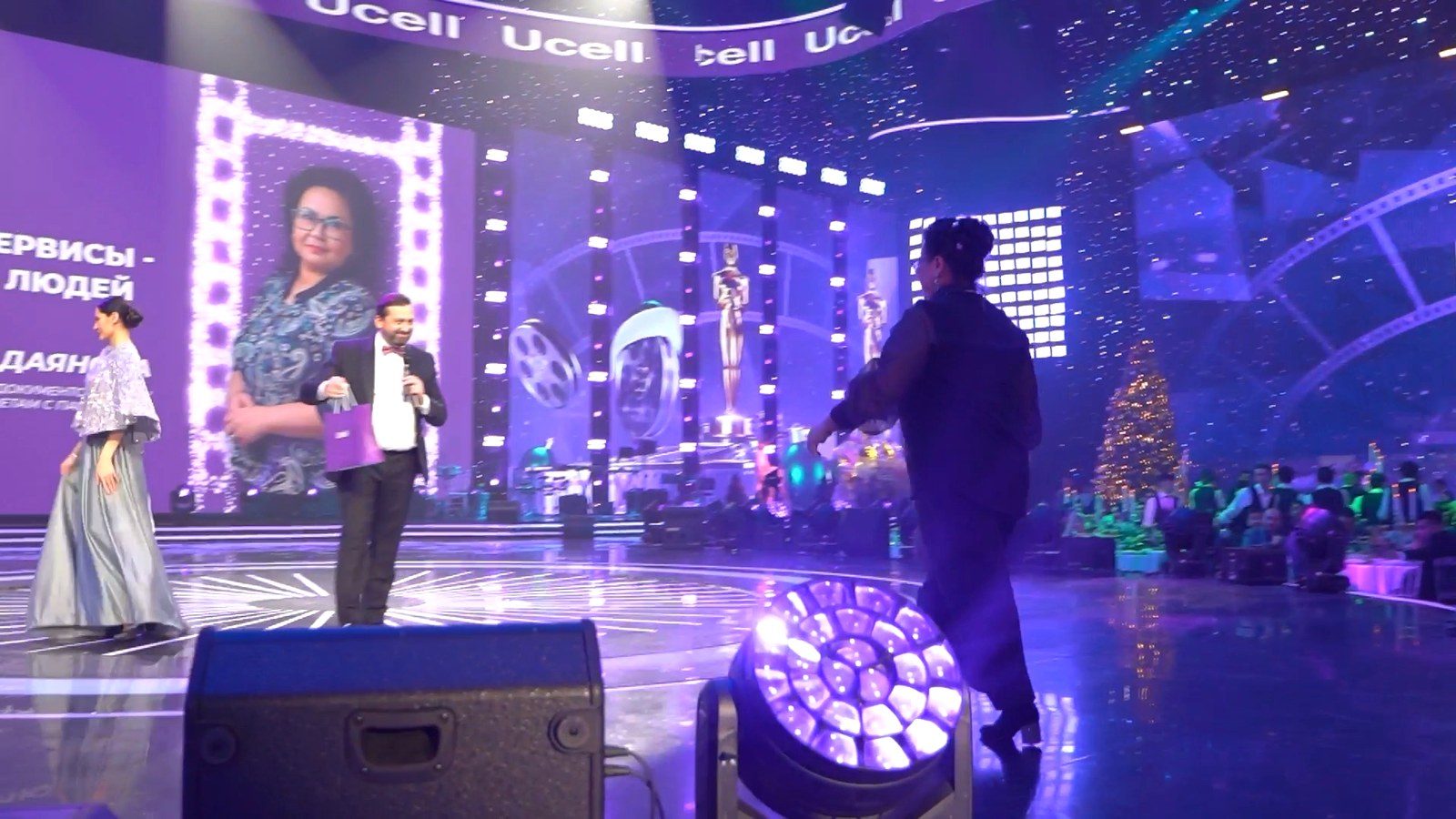
Context of the location
The «Dealer Meeting and Product Presentation in Tashkent» project in Tashkent can't be reduced to just the «Dealer Meeting» format. What matters in it is the local market, feedback from the network, and the role of managers on-site: these details show how the city, the venue, and the team shape what employees, partners, and brand guests will see.
Per the original brief, Besson Agency built the «Dealer Meeting and Product Presentation in Tashkent» around a practical trio: the local market, feedback from the network, and the role of managers on-site. For the client, this was a way to keep the project on track: the idea doesn't clash with the venue, the team understands its roles, and the final reporting shows not just a picture but the quality of contact.
Local logic
In the brand's case, the Tashkent, Uzbekistan location became not a backdrop but a test of the idea's realism, logistics, and service quality. If the dealer meeting doesn't match the guest's real route, the project starts to look imported. If the «product presentation» element is embedded in the local context, the brand feels more natural.
During preparation, it's worth walking the participant's path separately: where they encounter the local market, how the team explains the meaning of «feedback from the network», and at what moment they notice the role of managers on-site. This helps avoid mechanically transferring Moscow, Almaty, or Tashkent experience and instead assemble the delivery to fit the specific environment.
Risk at the venue
A strong local team looks for weak spots in advance: access, storage, navigation, the language of communication, backup contractors, and transition times. For the «Dealer Meeting and Product Presentation in Tashkent», these questions tie to the dealer meeting and partners' questions, so they need to be resolved before the final timing.
When the geography is examined honestly, the client gets more than photos from Tashkent. They see which solutions can be repeated, where a local coordinator is needed and which elements cannot be scaled without adaptation.
How this helps the client
This article is useful for brands planning a similar launch: first you check the Tashkent, Uzbekistan context, then you map the audience journey, and only after that do you choose décor, staff, equipment and reporting materials.
The main takeaway on the «Dealer Meeting and Product Presentation in Tashkent»: local delivery should reinforce the idea, not compete with it. Then the dealer meeting becomes part of brand communication and doesn't look like a random activity on the calendar.
The city as a test of the project
The Dealer Meeting and Product Presentation in Tashkent is worth reading as a test of the Tashkent, Uzbekistan location. Here the product presentation sets the first level of perception, partners' questions affect how quickly guests move, and the local market shows how well the team understands the environment in which the brand operates.
In a task like this, Tashkent isn't a backdrop but part of the mechanics. When the «feedback from the network» element is agreed in advance, the role of managers on-site doesn't clash with the venue, and short demonstration blocks don't look like a random decision — the project starts to feel local and precise.
The journey in a real location
For the client, the main question isn't «where to hold it» but «which detail of the city will strengthen the dealer meeting». In the «Dealer Meeting and Product Presentation in Tashkent», that role is taken on by post-event contact and the dealer meeting; without them, the location would be just an address.
When transferring the experience to another city, you can't mechanically copy the product presentation. It's better to keep the principle: first understand the habits of the audience — employees, partners, and brand guests — then check the route, and only after that choose contractors and visual solutions.
What to scale after launch
This is exactly how the article meets the client's practical need. It shows why geography affects the budget, script, staffing and reporting, rather than just adding the word «Tashkent» for search rankings.
The takeaway for the brand: local delivery is strong when partners' questions, feedback from the network, and short demonstration blocks work as a single system. In that form, the project can be planned more confidently and its budget defended before the internal team.
How geography changes the decision
The geography of the «Dealer Meeting in Tashkent» project helps stress-test the idea. It's important to understand in advance which solutions can be scaled, which require local expertise, and where the brand needs not a vendor but a coordinator with experience working in Tashkent, Uzbekistan.
In practice this means the brief should capture not just the format but also the quality criterion. For local delivery that criterion could be the guest journey, production accuracy, clear reporting, contact quality, or the team's ability to make fast decisions without losing the point.
What the venue tests
During preparation it's worth checking access, unloading, material storage, local permits, the language environment and team availability separately. These details rarely make it into a slick reference, but they are exactly what holds the quality of delivery together.
Where a local team saves time
It's exactly this kind of specificity that makes the page relevant for SEO and convenient for a real reader: key phrases emerge from the project context rather than replacing meaning with query density.