

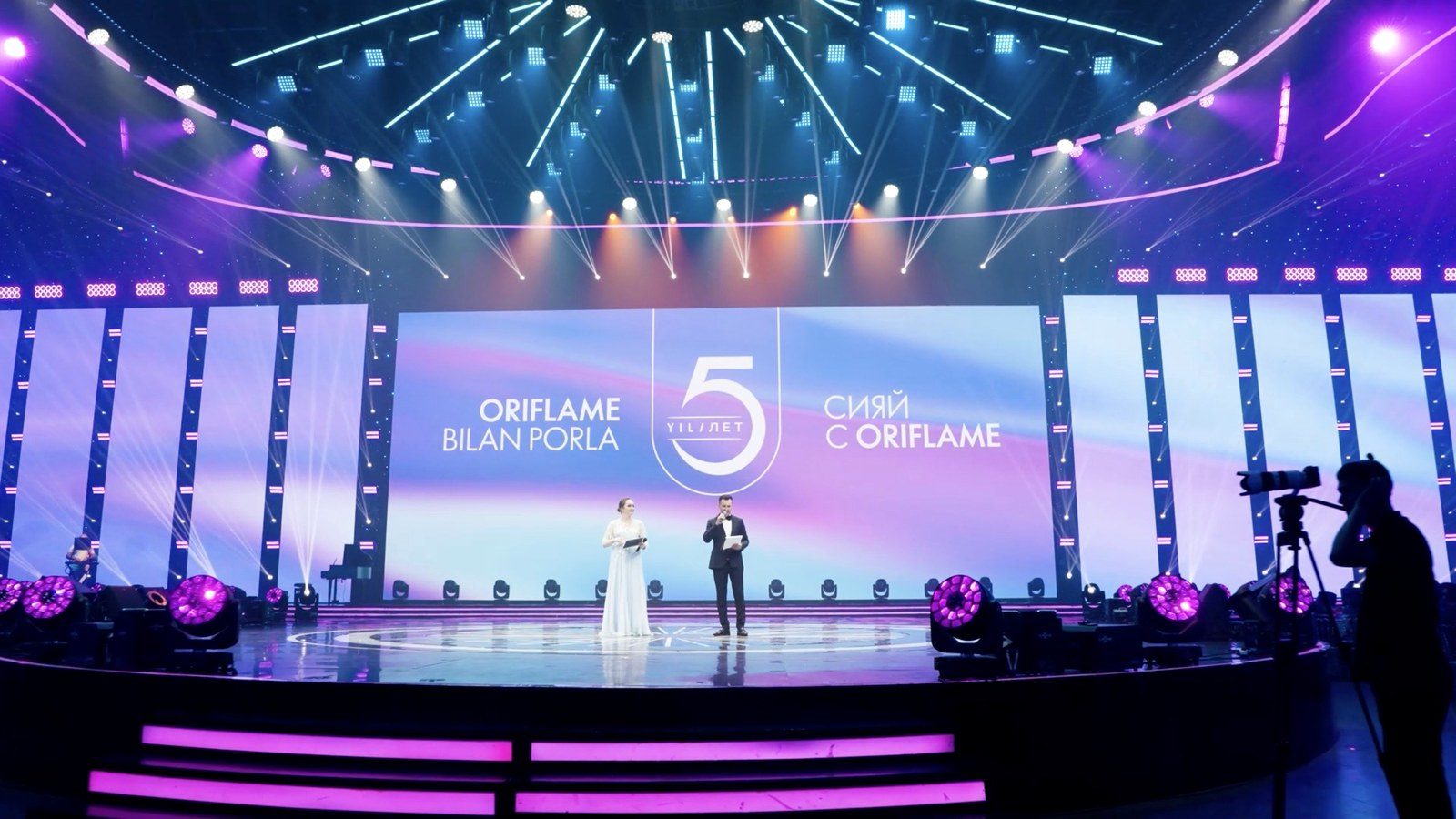
The plan before the venue
The production plan for the «Brand Day for a Dealer Network» project begins with concrete things: product rationale, personal interaction with partners, and demonstrating advantages. Without such specifics, a brand day is hard to evaluate by budget, risks, and quality of result.
Per the original brief, Besson Agency built the «Brand Day for a Dealer Network» around a practical trio: product rationale, personal interaction with partners, and demonstrating advantages. For the client, this was a way to keep the project on track: the idea doesn't clash with the venue, the team understands its roles, and the final reporting shows not just a picture but the quality of contact.
Areas of responsibility
For the brand, it's important to see who is responsible for follow-up sales, when the conversation without formality is signed off, and how the team verifies the dealer network. Such questions may seem technical, but it's exactly they that protect the budget, the reputation, and the client's peace of mind.
In preparation, it's risky to scatter related decisions across different owners. If the product rationale, personal interaction with partners, and demonstration of advantages don't come together in one plan, coordinators end up rescuing the project on-site.
Risk in preparation
For the «Brand Day for a Dealer Network», a list of contractors guarantees nothing on its own. It's more important to see the checkpoints, the time buffer, the acceptance procedure, and the limits of acceptable simplifications.
It's worth looking especially closely at the pairing «follow-up sales — conversation without formality». It usually reveals whether a contractor is thinking about the result or just assembling a budget by the usual template. For Besson Agency, that's a fundamental difference.
How to hold quality
Before approving a similar project, it helps to ask: what the final acceptance looks like, where the design versions are stored, who talks to the venue, who captures the report, and what happens if the «dealer network» item changes a day before launch.
The takeaway is simple: production shouldn't make a brand day heavy. It should give the idea support so that employees, partners, and brand guests see a coherent project and the brand gets a clear result without chaos on the final day.
A working production map
In the production plan for the «Brand Day for a Dealer Network», the first things to appear should be the dealers' points of resistance, the materials for the network's ongoing work, and the dealer network. These elements turn a brand day from an idea into a sequence of actions where every decision has an owner and a deadline.
If the «product rationale» item is left without an owner, the team starts improvising where precision is needed. If the «personal interaction with partners» item is approved before departure, the client sees not a list of expenses but a clear logic of preparation.
Where the plan saves the idea
For a brand, the pairing «demonstrating advantages — follow-up sales» is especially important. It usually reveals whether the agency understands the real project day or simply transfers a standard production list to a new venue.
The «Brand Day for a Dealer Network» project shows that strong preparation doesn't weigh down the creative. It frees up space for conversation without formality, because coordinators don't spend the event day hunting for answers that should have been settled in advance.
What should make it into the budget
Before approving the budget, it's worth asking separately who signs off on the dealers' points of resistance, how the dealer network is verified, where personal interaction with partners is captured, and what buffer exists for follow-up sales. Such questions quickly separate a confident team from a vendor of pretty references.
The takeaway for the client: production must explain why the money goes specifically toward these solutions. Then a brand day for an audience of employees, partners, and brand guests becomes a manageable project rather than a pile of last-minute tasks before launch.
Where the budget protects the project
Preparation for the «Dealer Brand Day in Almaty» becomes resilient when the team separates the essential elements from the nice-to-haves in advance. Then the production plan doesn't fall apart on setup day but remains a manageable system with a clear budget and a time buffer.
For the client this is a handy test: if a contractor can explain how the solution will work in Almaty, Kazakhstan, who manages it and what data will remain after the finale, the project becomes clearer even before the budget.
Why preparation matters more than heroics
A working plan should have task owners, checkpoint dates, acceptance rules, backup solutions and a list of what can't be changed without the client's sign-off. A document like this protects both the idea and the budget.
How production holds the meaning
That's why the «Dealer Brand Day in Almaty» shouldn't be read as an abstract news item. It's a reference point for a brand choosing a partner to fit the task, the market, and the result, rather than just looking for a pretty execution in a portfolio.